 MembersLog in

 あ



Soroban knowledge for parents
Everything a parent needs to know before and while their child learns soroban: what a soroban is, whether it really works, when to start, how to learn at home, and why Japan still teaches soroban. Written by the teaching team of Kodomo Soroban Center, following the method of Kodomo School (Japan, since 1976).
Mental math and grade-1 math
For every parent of a 5–8-year-old, even before soroban.
How to teach your grade 1 child fast mental math the Japanese way: 5 steps, 10 minutes a day
How to teach your grade 1 child fast mental math the Japanese way: 5 steps in order, from counting and making 5…
Splitting and combining numbers in grade 1: how to teach number bonds up to 10 – with a free worksheet
How to teach grade 1 number bonds – splitting and combining numbers up to 10: 5 steps from objects to mental math,…
What is Japanese mental math (anzan)? How Japanese children calculate with an abacus in the head
Japanese mental math (anzan) means calculating with an abacus pictured in the head. How it differs, the 3 stages, Flash Anzan and…
What is Flash Anzan? How to practice Flash Anzan mental math at home with your child
Flash Anzan is a mental math drill: numbers flash on a screen one by one and your child adds them on an…
Mental math tricks for kids: addition, subtraction, multiplication – and why soroban lasts longer than tricks
Mental math tricks for kids with examples: making 10, adding by place value, subtracting by adding, ×5, ×9 and ×11 – plus…
Grade 2 mental math: adding and subtracting with carrying up to 100 – 3 easy methods and a free worksheet
Grade 2 mental math with carrying up to 100: 3 easy methods – split tens and ones, round to a ten, add…
Getting your child ready for grade 1 math: what should they know? 5 skill areas, 5-minute daily games and a free checklist
How to prepare your child for grade 1 math: what grade 1 covers in Vietnam, what a 5-year-old should know, 5 skill…
My child is struggling with math – what should I do? Find where they are stuck, then help 10 minutes a day at home
Is your child struggling with math, slow at mental math or afraid of math? A 5-minute check at home, 6 common causes,…
What is grade 1 “thinking math”? Should your child learn it, common problem types and how to teach it at home
What grade 1 “thinking math” is and how it differs from school math. The 6 common problem types (missing numbers, comparing, patterns,…
Word problems in grades 1 and 2: 4 steps to help your child understand and solve them – with a free worksheet
Why grade 1 and 2 word problems are hard, 4 steps (read, underline, draw, solve), the “more than” trap, how to draw…
My child can’t focus when studying – what can I do? 8 ways Japanese classrooms build concentration (for ages 5–8)
Your child can’t focus when studying – what can you do? A realistic view of attention spans at ages 5–8, 5 common…
Mental math trainer (flash anzan)
Free online mental math training the Japanese way (Flash Anzan): numbers appear one after another on the screen, your child adds or subtracts them…
Online soroban
A free online soroban: tap a bead to move it and the number appears right away. Practice setting numbers and adding and subtracting on…
Start here
What a soroban is, what children gain, and whether it is really worth it.
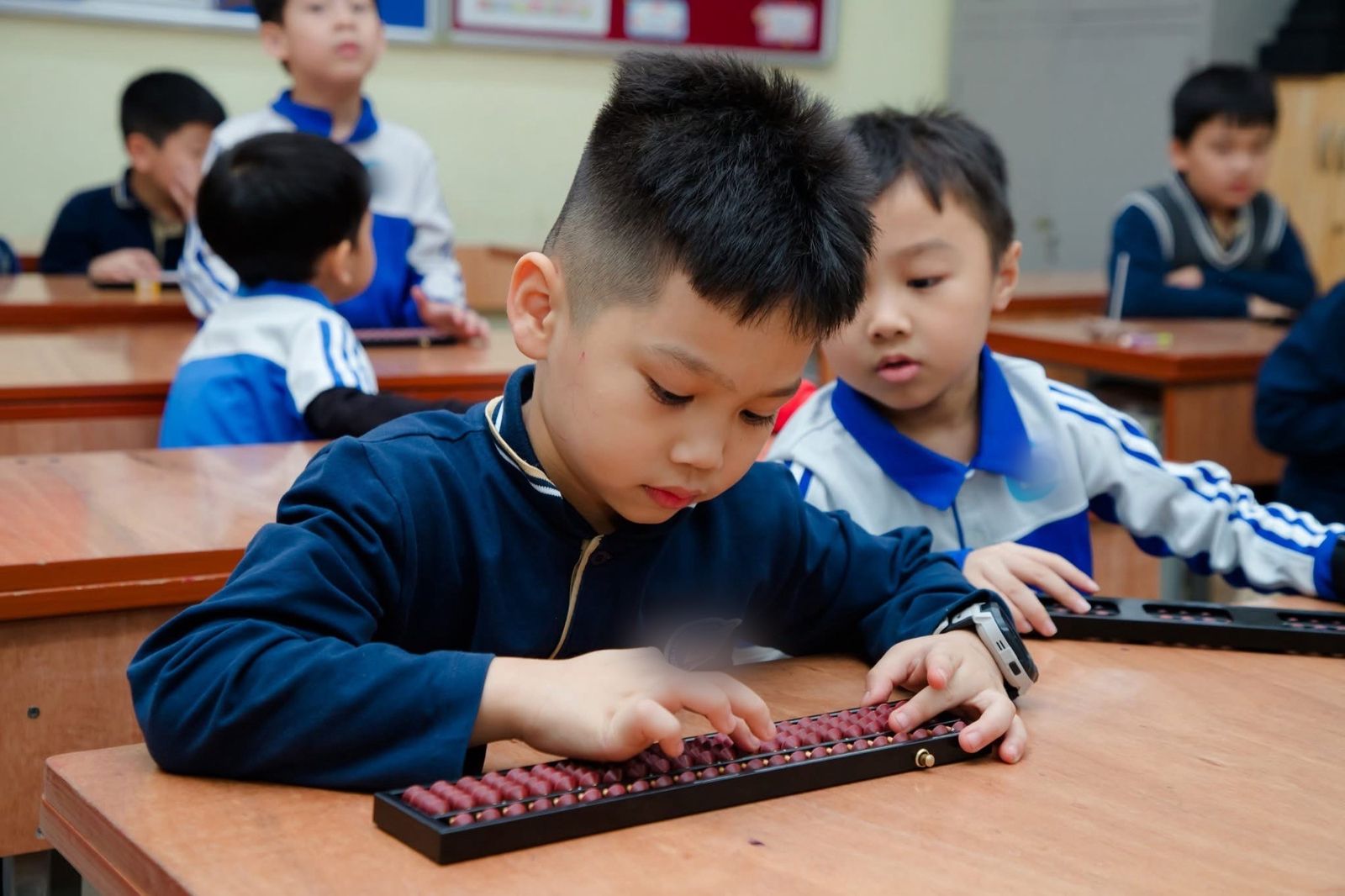
What is a soroban?
The soroban is the Japanese abacus: 1 upper and 4 lower beads on each rod. How it is built, how it shows numbers, its…
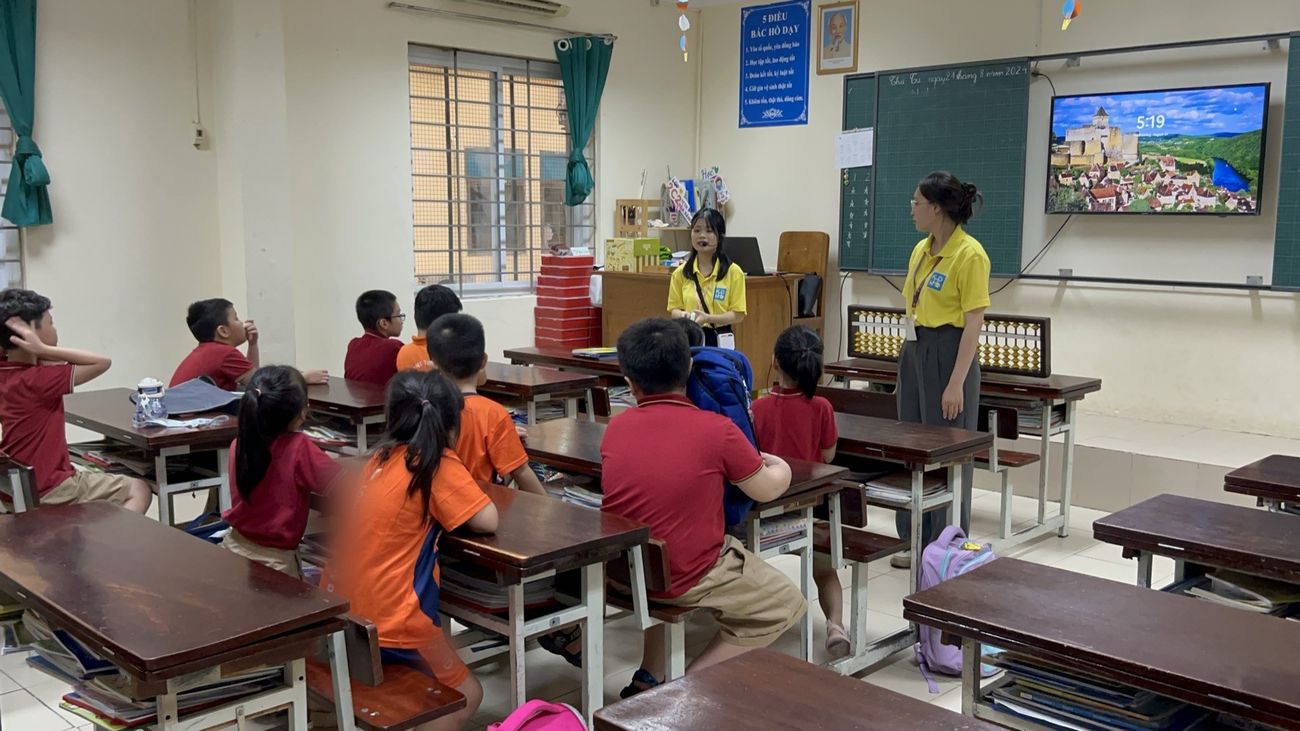
Benefits of soroban
Benefits of soroban for children: fast and accurate calculation, place value, concentration, memory for numbers and confidence – what research says and how parents…
Is learning soroban good for children? Are there any downsides? A frank answer from 50 years of teaching soroban
Is soroban good for children, does it have any downsides, will it confuse them with school math? A frank answer from Kodomo…
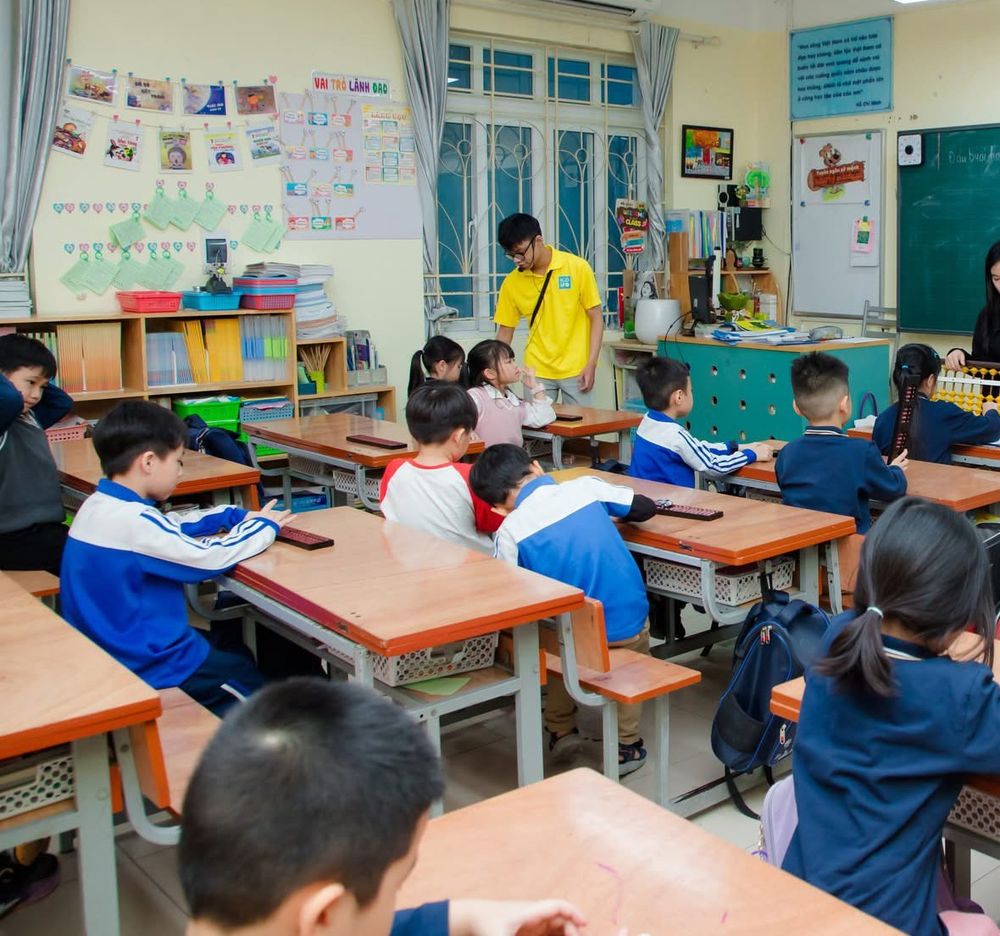
Japanese soroban
The soroban is the Japanese abacus, designed for training fast mental calculation. Why the Japanese way of learning soroban is different, and what children…
Ages and choosing a class
When to start, and how soroban differs from other “thinking math” methods.
What age should a child start soroban? 5, 6 or 8 – and the signs your child is ready
What age should a child start learning soroban? Children can start from age 5, 6–8 is the “golden time”, and 9–12 is…
What should a 5-year-old learn? 6 activities and how to choose by your child’s temperament
What should a 5-year-old learn? 6 popular activities – swimming, martial arts, music and dance, art, English and thinking math: what each…
Soroban or Finger Math? Comparing 4 popular kinds of “thinking math” for children
How are soroban and Finger Math different? A comparison of 4 popular kinds of “thinking math” – Finger Math, Japanese soroban, franchised…
Soroban or Kumon? How the two Japanese ways of learning math differ, and which suits your child
Soroban and Kumon both come from Japan but are very different: the abacus and mental math with images versus self-study worksheets in…
What is Kumon? How it works, its strengths and what to know before you sign up
What is Kumon – a company, a school or a subject? The Japanese worksheet-based learning method: how it works, its strengths, which…
What is Japanese “thinking math”? Soroban, Kumon, Gakken and how Japan teaches children math
What is Japanese “thinking math”? The Japanese don’t call it “thinking math” – they have 3 popular ways of teaching math: soroban…
Shichida, Montessori, Kumon, Soroban: how do these 4 approaches to education differ?
What are the Shichida and Montessori methods, and how do they differ from Kumon and soroban? Comparing 4 early-education approaches for ages…
Learning path
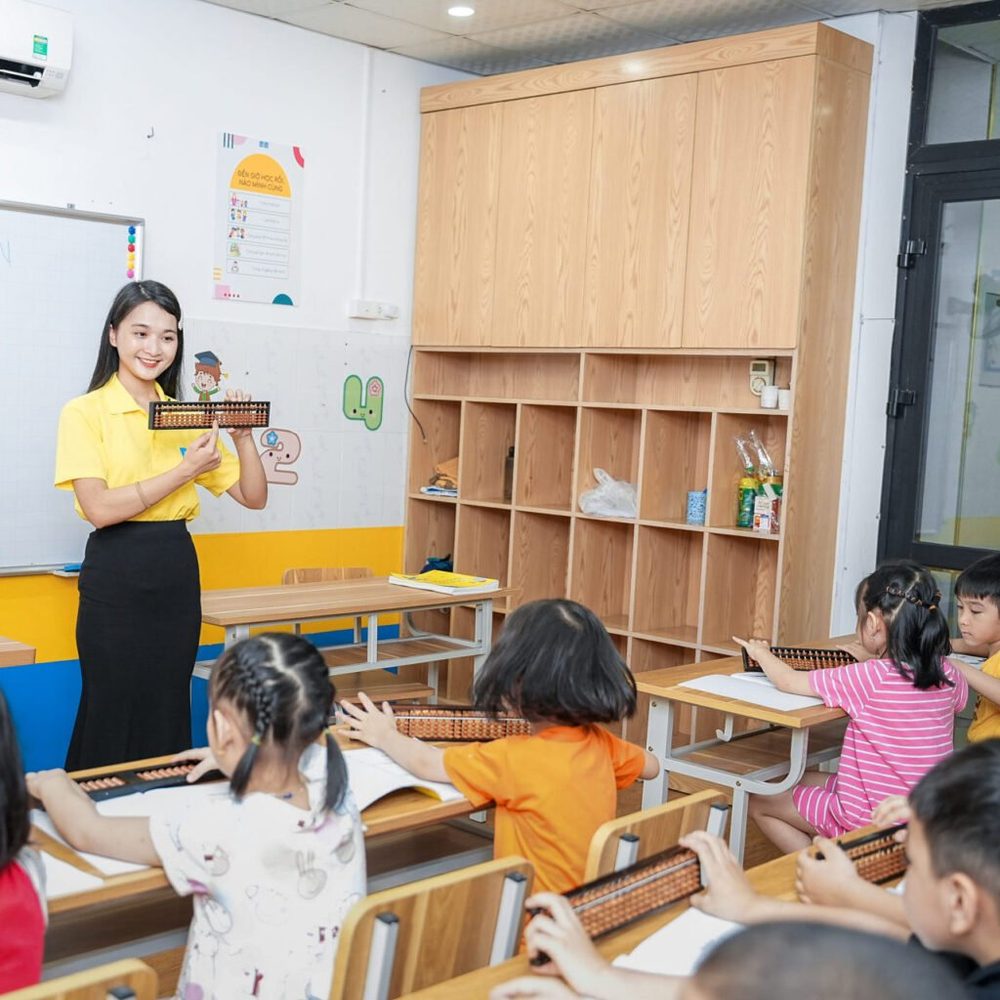
The Kodomo Soroban Center soroban program: 3 levels, 5 modules, 80 sessions. What each level covers, tests, certificates and our Vietnamese textbook “Vui học…
How to learn and practice
For parents who want to understand how their child calculates and practice together at home.
How to learn soroban at home as a beginner: 7 steps, 10 minutes a day
A guide to learning soroban at home for beginners: choosing an abacus, posture and how to move the beads, setting and reading…
How to learn the times tables fast: 7 fun ways for kids, tips for the 7, 8 and 9 tables and a free worksheet
How to help your child learn the times tables fast: understand multiplication first, start with easy tables, only 36 facts to learn,…
How to learn division facts fast and easily: dividing by 2 to 9 – plus a free worksheet
Division facts are just the times tables read backward. 6 ways to learn dividing by 2 to 9, tips for 7, 8…
How to teach kids to tell time: 5 easy steps from o’clock to every minute – with a free printable worksheet
How to teach your child to read an analog clock in 5 steps: hour and minute hands, o’clock, half past, 15 and…
Converting units in grade 3: a length, weight and capacity chart and how to avoid mistakes – with a free worksheet
Grade 3 unit conversion: a chart for mm, cm, dm, m, km, g, kg, ml and l; multiply going to a smaller…
10 math games for kids aged 3–5 at home – no need to buy toys
10 math games for kids aged 3–5 at home using everyday things: number hopscotch, sorting, patterns, hide-under-a-bowl, dice dots, measuring with hands…
My child is “lazy” about studying – what should I do? Try a Japanese teacher’s approach instead of scolding
Child lazy about studying? The 6 real reasons behind “lazy”, 5 ways Japanese teachers help children sit down on their own, how…
How to teach your child to study on their own: 6 small habits from Japanese families
Help your child study without reminders: 6 Japanese-style habits – a set time and spot, a to-do list, a timer, packing the…
My child learns slowly – what should I do? 7 ways to help them keep up without pressure
Is your child slow to learn and understand? 5 common reasons, 7 ways to help at home, 4 things to avoid, and…
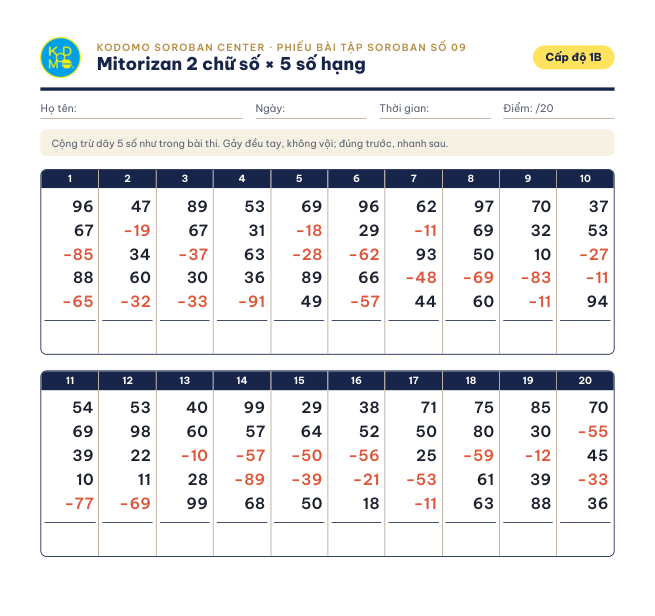
Free worksheets
Download 32 free sheets (PDF, print at home): 12 soroban sheets by level, 7 mental-math sheets for grades 1–2, 4 grade-1 thinking-math sheets, number…
Japan: history and how children are raised
Where the soroban came from, how Japanese parents raise children, and why Japan still teaches soroban.
How do Japanese parents raise independent children? 7 habits from Japanese schools that parents can start today
How do Japanese parents raise independent children? Not with iron discipline, but with 7 habits repeated every day at school and at…
Japanese-style parenting for ages 3–6: 10 small habits many Japanese families keep every day
Japanese-style parenting for ages 3–6 at home: greetings, meals, small chores, waiting while kids try, praise and scolding, early bedtime, picture books…
Let Them Fail (a Little): How Natural Consequences Raise Independent Kids
Doing too much for your child? Small, safe failures – oversleeping, a forgotten notebook, spilled milk – teach independence, Japanese style. 8…
Japanese Alphabet for Kids: Hiragana Chart, Reading, Stroke Order and Free Printable PDF Worksheets
The 46 hiragana with romaji, dakuten and combined sounds, correct stroke order and 10 greetings – plus free printable hiragana PDF worksheets…
A day in the life of a Japanese elementary school student: what time school starts, how lunch works and when summer break is
What time do Japanese elementary students go to school, when do they start school and how long is summer break? A typical…
Why do Japanese students clean their own schools – and how to bring the habit home
Why do Japanese students clean their schools every day? What cleaning time looks like, what children learn from it, and how to…
The history of the soroban: from China to Japan, and why Japan still teaches the abacus in the computer age
The history of the soroban: the abacus arrives in Japan from China in the 16th century, the Jinkoki of 1627, Edo-period schools,…

EDU-Port Nippon
Japan’s Ministry of Education (MEXT) selected Morita Group’s Japanese-style soroban education and instructor development project in Vietnam as a 2026 EDU-Port Japan Supported Project.
About us
Morita Group is a Japanese family business with 50 years of soroban education, founded in Aichi in 1976. Since 2022, Kodomo Soroban Center has…
More articles
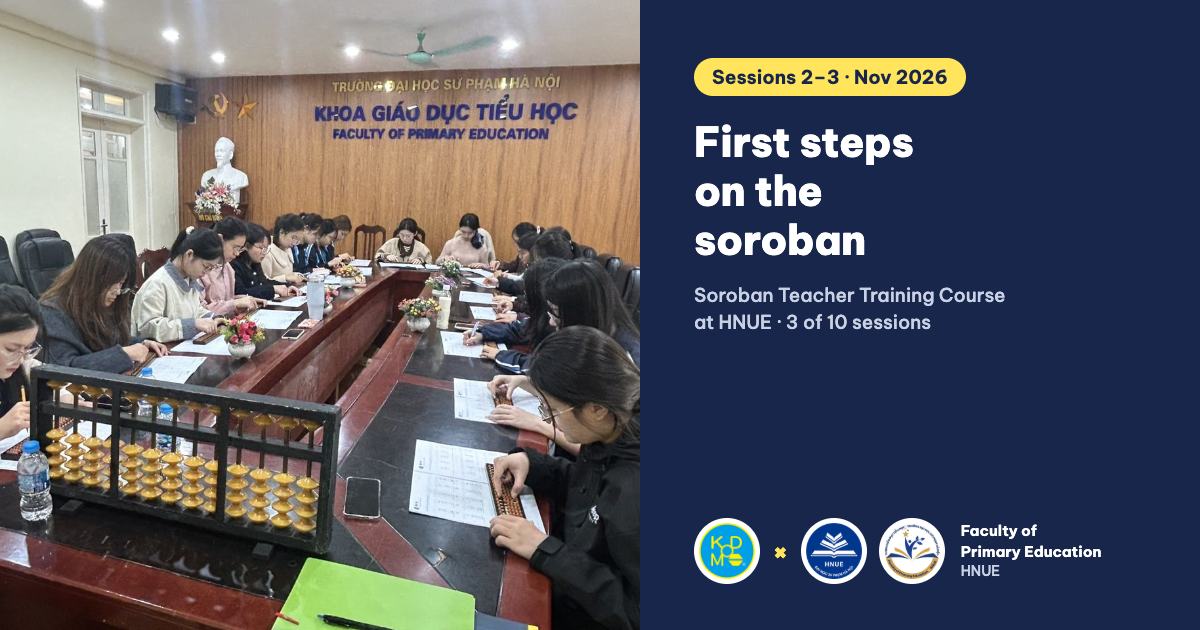
Soroban Teacher Training Course at Hanoi National University of Education – Sessions 2 and 3: First Steps on the Soroban
The Soroban Teacher Training Course at HNUE has completed 3 of its 10 sessions. From Session 2, the students have been learning…

The Soroban Teacher Training Course Begins at Hanoi National University of Education – Session 1: Building a Japanese-Style Classroom
On 31 Oct 2026, the Soroban Teacher Training Course for students of the Faculty of Primary Education, HNUE, began. Session 1: building…

Memorandum of Understanding Signed with Hanoi National University of Education
On 16 Oct 2026, Kodomo Soroban Center (Morita Group Vietnam) signed an MOU with Hanoi National University of Education: a free 10-session…
Can’t find the answer?
See the FAQ, or call · message us on Zalo at 096.802.8484. The surest way to know whether soroban suits your child is a free trial lesson.